The essential perspective
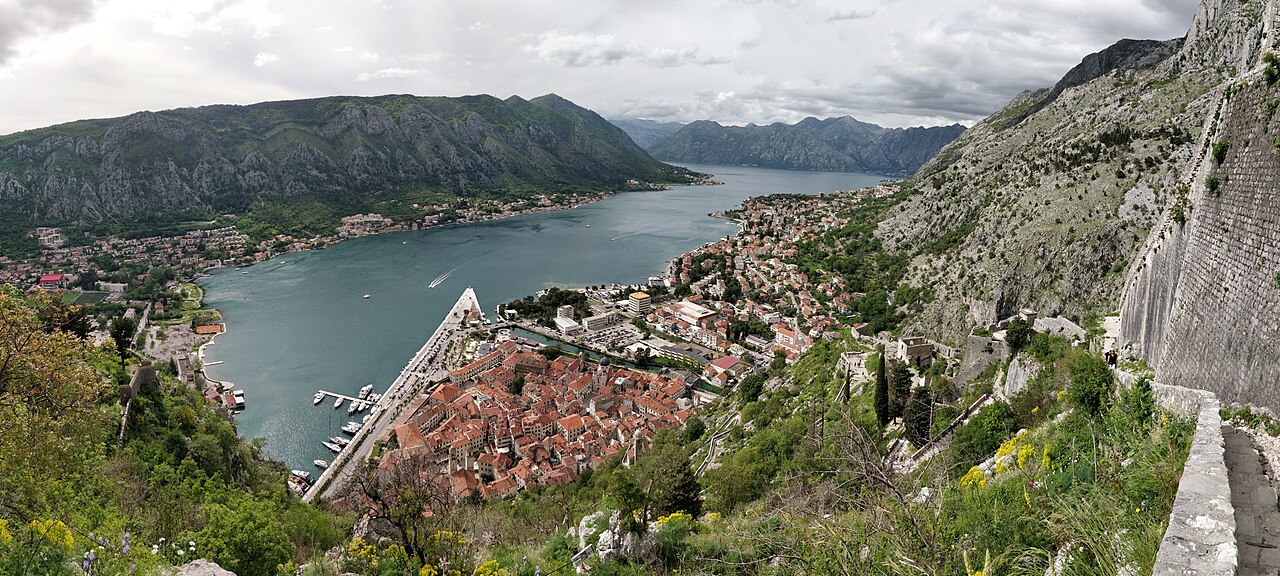
Dubrovnik has been photographed endlessly, yet images rarely convey the intimacy of its lanes or the scale of its history. The UNESCO-listed Old City grew from a maritime republic that shaped trade and culture across the Mediterranean. Its limestone streets, palaces and churches still hold the rhythm of a city, not simply an open-air monument.
Visit with a sense of timing. Early mornings and the softer hours towards evening reward you with space to examine the architecture and appreciate the changing colour of the walls. Rather than rush between famous views, pause in a courtyard, find a quieter side street and consider how generations lived within these fortifications.
The wider Dubrovnik region belongs in the same itinerary. Lokrum is close by; the Elaphiti Islands offer a slower island day; Konavle and the coast introduce gardens, local food and a very different sense of scale. A richer Dubrovnik journey makes room for both the city and its surroundings.
Three ways to experience it
Old City
Explore the Old City early or later in the day, when the streets have more breathing room.
Lokrum & Elaphiti
Look beyond the walls to Lokrum, the Elaphiti Islands and the surrounding countryside.
Republic of Ragusa
Notice the details of the Republic of Ragusa: carved doorways, monasteries and civic spaces.
 Akira Takiguchi · CC BY 2.0
When to visit
April–June · September–October
The wider Dubrovnik region belongs in the same itinerary. Lokrum is close by; the Elaphiti Islands offer a slower island day; Konavle and the coast introduce gardens, local food and a very different sense of scale. A richer Dubrovnik journey makes room for both the city and its surroundings.
Getting there
Our perspective
Arrive via Dubrovnik Airport or the coastal road; the historic centre is best explored on foot.
Useful official sources
Independent editorial travel inspiration. Verify opening hours, travel rules and availability directly with each provider.